Hello, people!
How are you on this wonderful day?
My sister Sonia kept a Highland steer last summer, and she asked the butcher for the hide. For all of last winter, the hide laid in our barn, covered with a layer of salt. Finally, the weather began to turn warmer, and it was time to start working on the hide.
Here’s Coloradas in all his glory:

Below are pictures of the tanning process. For instructions on tanning please check out my posts on tanning sheepskins and squirrel pelts.
1) The first step we did was to scrape the hide, and that took a few days in total. It’s no easy thing, though there are tricks to it that we found out by trial and error. And they are secrets; that’s why they are not here. No, just kidding. It’s only because it’s hard to write out the techniques, as opposed to being able to demonstrate them in real life.
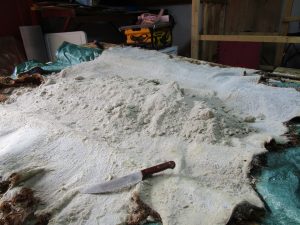
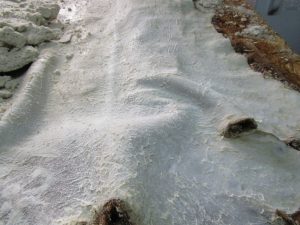
All the left-over fat and meat must be removed.
2) Then we took the hide outside, and washed it with soap and water.
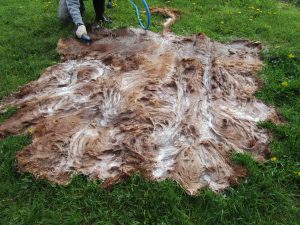
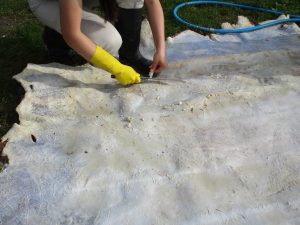
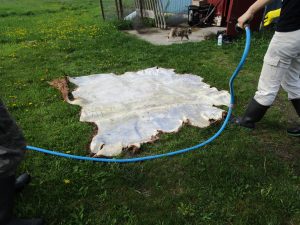
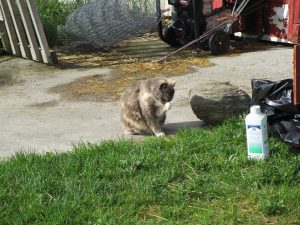
And our kitty was also cleaning herself.
3) I prepared the tanning solution, and we let the hide soak in it.
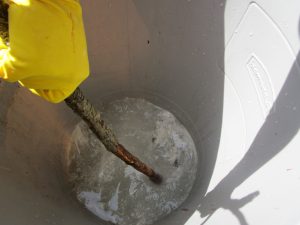
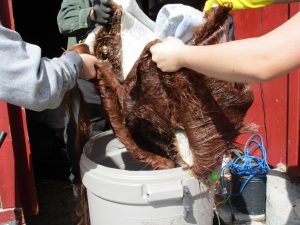
It was heavy.
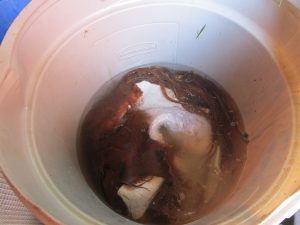
4) After five days, I took the hide out and soaked it in baking soda mixed with water, to neutralize the acid. Then we washed the hide with soap.
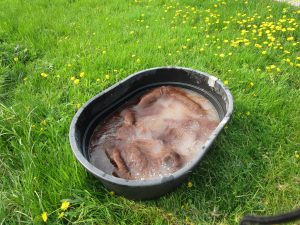
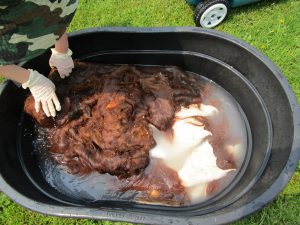
5) We laid the hide fur up to dry. The hide was really heavy when wet.
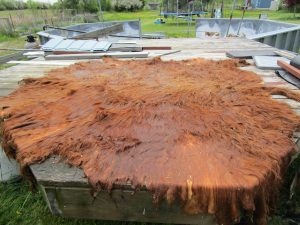
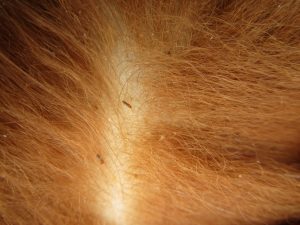
Then came a problem. I found biting lice in the hide. We didn’t know Coloradas had lice last year. So we will have to comb them out.
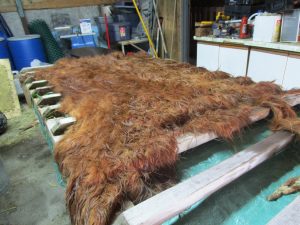
At one point we had to take the hide into our barn because of the rain.
6) I didn’t take any pictures of me applying the Neatsfoot Oil onto the flesh side of the hide.
7) Then we had a second difficulty. The hide was drying, and it was turning really stiff. What you should do at this point is to stretch the hide and make it pliable. So we tried. However, the hide was really thick, and it was quite hard to bend it. We even used hammers on it, and still it was stiff. But the fur is really beautiful.
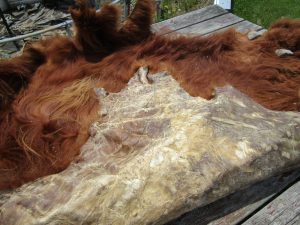
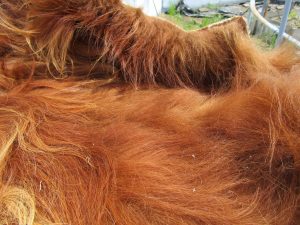
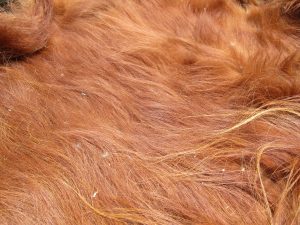
The white stuff are the fluff from dandelions. They were floating all around.
And this is what we managed to do. Not impressive, I know, but it was a great learning experience. I’m not sure what my sister will be doing with the hide; it’s hers after all!
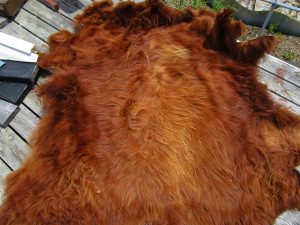
So what went wrong?
We didn’t have the experience nor the supplies needed to tan a Highland hide. I am inclined to think that Highland hides are some of the hardest to tan, because of the double layer of fur they have, which makes the hides thicker than the hides from some other animals, like sheep (even though they have wool). So our hide didn’t turn out the way we would have liked.
I think I have enough of cow hides for a while. They are really just too big. I would like to do sheepskins again; I’ve done some two years ago, and it was fun. There are some things I want to do differently when I get the chance to do sheepskins again. I would also love to tan goat skins, but what I really want to tan right now are rabbit skins. Rabbit skins are really thin. They tear very easily. I haven’t done rabbit skins in a while; last year was all squirrels and chipmunks. I would like to see if I can manage to tan a rabbit skin without tearing it now that I have more experience.
That is all I have for now. I hope you enjoyed the post!
~ Tiffany
This is fascinating! I’ve always wondered (and wanted) to do something this intricate/involving so many steps. Side note, while reading the post I kept hearing “I want to get away, I want to hideee away” playing in my ear. Now I have to go find that song XD
Awesome post, helped me learn something new!
Wow amazing
The fur is indeed very beautiful!! Nice job, Tiffany!
Tiffany, thank you for this great post! I am very thankful that you were willing to try out Coloradas’ hide!
Great Job, Tiffany! Keep ’em coming. 😛